


5 Common Mistakes That Affect Cold Roll Forming Precision
Cold roll forming machine stability is crucial for manufacturers aiming for high precision in their products. However, many face common pitfalls that can compromise accuracy and efficiency during the process. Understanding these mistakes and implementing effective solutions can significantly improve manufacturing precision and reduce material waste. By addressing these challenges, manufacturers can not only enhance their output quality but also lower operational costs in the long run.
1. Inadequate Material Preparation
Why It Matters
Proper material preparation ensures uniformity and metallurgical consistency, critical for achieving precision in cold roll forming.
How to Address It
Ensure the material is free of contaminants and irregularities. Conduct chemical and physical tests to confirm the material's specifications align with your product requirements.
This technique is especially important for high-precision applications where even minor inconsistencies can lead to significant defects.
2. Suboptimal Tooling Conditions
Why It Matters
The quality and condition of the tooling directly impact the forming precision and the lifecycle of both tools and materials.
How to Address It
Regularly inspect and maintain dies and rollers. Ensure they are properly aligned and adjusted to meet specified tolerances. Implement a maintenance schedule based on production volumes.
This approach is particularly suitable for operations running high-mix production scenarios, where tooling wear can differ significantly.
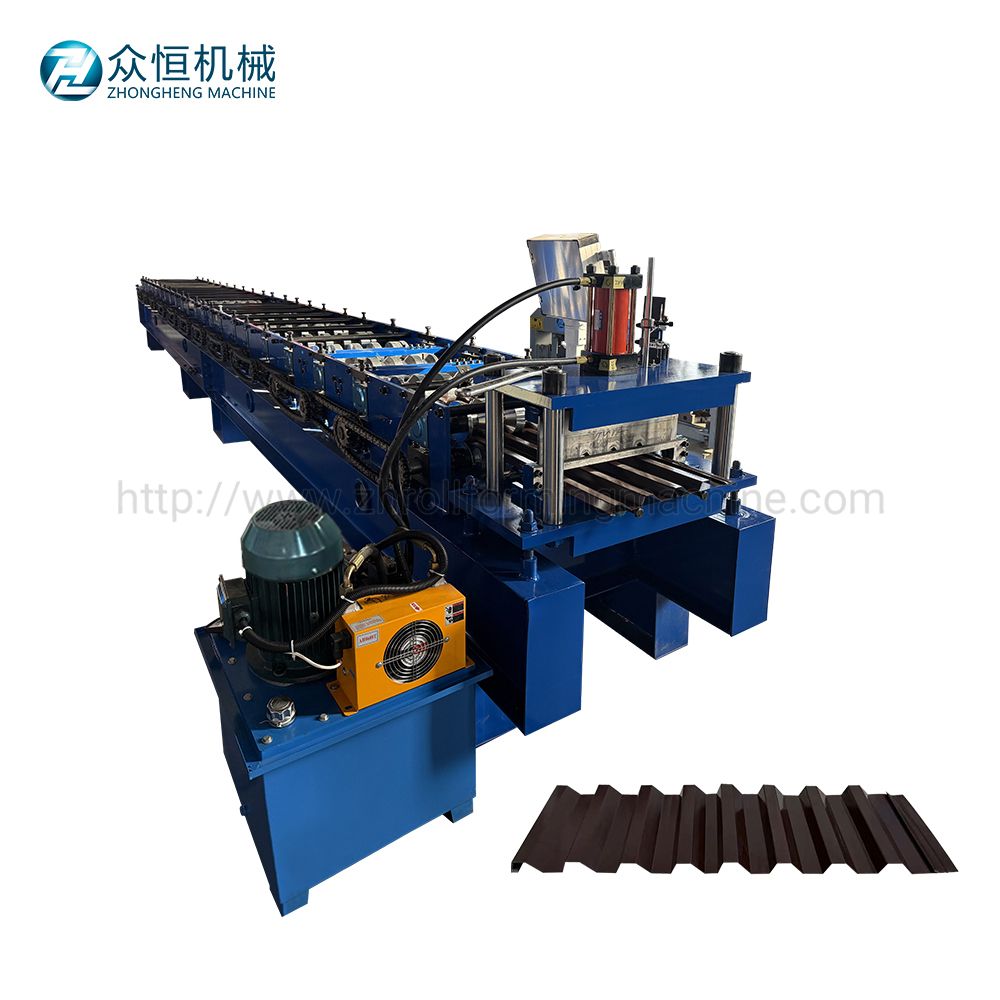
3. Incorrect Machine Setup
Why It Matters
Aproper setup of the cold roll forming machine is fundamental to achieving consistently high levels of precision.
How to Address It
Utilize calibration tools and fixtures to align machinery correctly before initiating the forming process. Document the setup process to facilitate repeatability in future runs.
This recommendation is best for users in environments with varying product specifications needing quick changes in setup.
4. Neglecting Temperature Control
Why It Matters
Temperature fluctuations can lead to variations in material properties, affecting overall forming precision.
How to Address It
Implement heating systems and temperature monitoring to maintain consistent thermal conditions throughout the forming process. Monitor the input material temperature before forming.
Particularly useful for processes involving materials sensitive to thermal changes, this technique can stabilize your production quality.
5. Insufficient Quality Control Procedures
Why It Matters
Robust quality control processes catch errors early and prevent defective products from being produced.
How to Address It
Establish a comprehensive inspection protocol that includes dimensional checks, surface quality evaluations, and periodic audits of the forming process. Use statistical quality control methods for ongoing assessment.
This is crucial for high-volume production lines where defects can escalate into costly recalls.
Summary of Key Points
By avoiding these common mistakes—material issues, poor tooling, incorrect setup, temperature inconsistencies, and lax quality control—users can significantly enhance their cold roll forming machine precision. Adopting these recommendations will lead to improved production efficiency and product quality, thereby reducing waste and costs.