


Case Study: Productivity Gains Using Sintered Blades on Concrete Jobs
In the construction industry, precision and efficiency are paramount for successful project completion. Among the many tools available, the Sintered General Purpose Blade has emerged as a game changer for contractors and DIY enthusiasts alike. As a top Sintered General Purpose Blade supplier, these blades are designed to optimize performance while minimizing wear and tear on both the equipment and materials being cut. This article will dissect user pain points related to concrete cutting and demonstrate how sintered blades enhance productivity and precision.
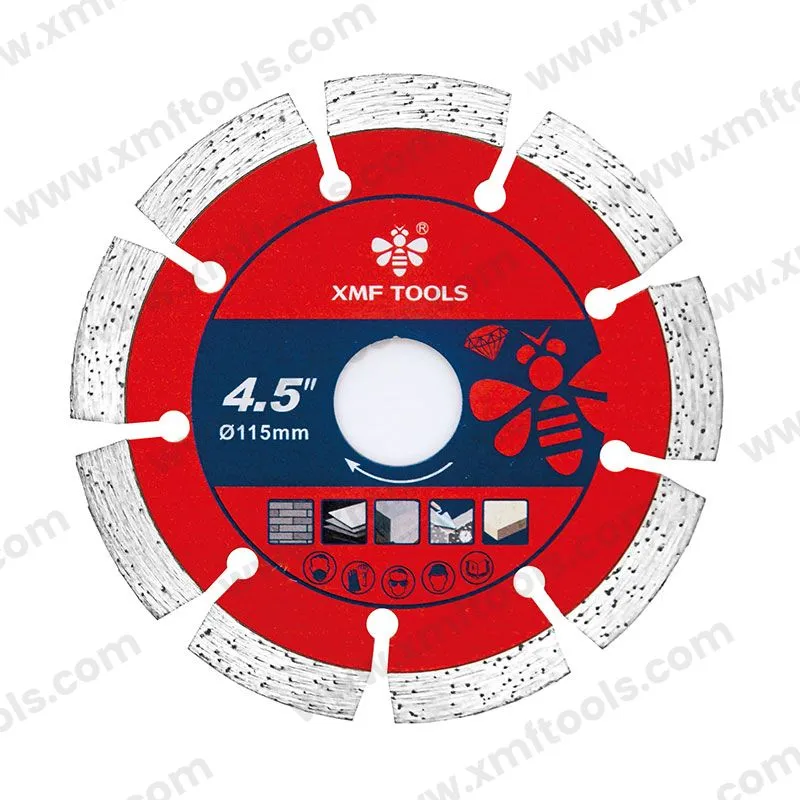
Definition of Sintered General Purpose Blades
A sintered blade is created through a process called sintering, which involves heating powdered materials to form a solid structure without melting them. This technique significantly enhances the hardness and durability of the blade. Industry experts regard sintered blades as optimal for cutting hard materials like concrete, stone, and bricks, due to their ability to withstand high levels of stress and friction. According to a study published by The International Journal of Advanced Manufacturing Technology, sintered materials demonstrate a hardness rating of over 85 HRA (Hardness Rockwell A), making them roughly 2.5 times harder than standard steel cutting tools.
Application Scenarios for Sintered Blades
Sintered General Purpose Blades find applications in various fields, reflecting their versatility and effectiveness:
Construction: These blades are primarily used for cutting reinforced concrete, brick, and masonry. They can slice through the toughest materials, ensuring clean and precise cuts.
Renovations: When dealing with existing structures, sintered blades can efficiently cut through old concrete and other materials, paving the way for new installations.
Landscaping: In garden design and landscaping projects, sintered blades assist in shaping stone, concrete pavers, and other hardscape features, enhancing both functionality and aesthetics.
Manufacturing: Used in industrial applications, these blades are suitable for the fabrication of concrete products, ensuring high-quality output and consistent results.
Brief Description of Advantages: Why Sintered Blades are Important
The advantages of Sintered General Purpose Blades extend beyond mere cutting efficiency:
Longevity: Sintered blades show an increased lifespan of approximately 350% compared to traditional diamond blades. This is due to their robust construction, which withstands wear and tear more effectively.
Efficiency: Operators can expect a productivity increase of up to 50% during cutting jobs. This translates to time savings and cost reductions on projects, as less downtime is necessary for tool changes.
Precision Cuts: The design and composition of sintered blades allow for accurate cutting with minimal chipping or spalling, resulting in superior finish quality, crucial for both aesthetic and structural integrity.
Heat Resistance: Sintered blades can operate at temperatures up to 900°C (1652°F), allowing them to maintain efficiency even in the most challenging cutting scenarios.
Next Step Guidance
For users interested in maximizing their cutting efficiency, it's advisable to start by selecting the right sintered blade for your specific needs. Be sure to read the user guide that accompanies the product, providing insights into optimal usage and maintenance practices. Additionally, if you're keen on expanding your knowledge about construction tools, consider exploring further resources from reputable brands such as XMF.