


Difference Between a Garbage Truck and a Waste Management Truck
Effective waste management is essential for preserving public health, safety, and environmental sustainability, especially in densely populated urban areas where space is limited. The seamless process of collecting, transporting, and processing waste ensures that cities remain clean and livable. Without an efficient system, communities would face rising pollution, overflowing waste, and potential public health hazards.
To the untrained eye, all large waste-hauling vehicles may appear similar. However, there is often confusion between garbage trucks and waste management trucks. While they share certain similarities, their functions, designs, and operations differ significantly.
What Is a Garbage Truck?
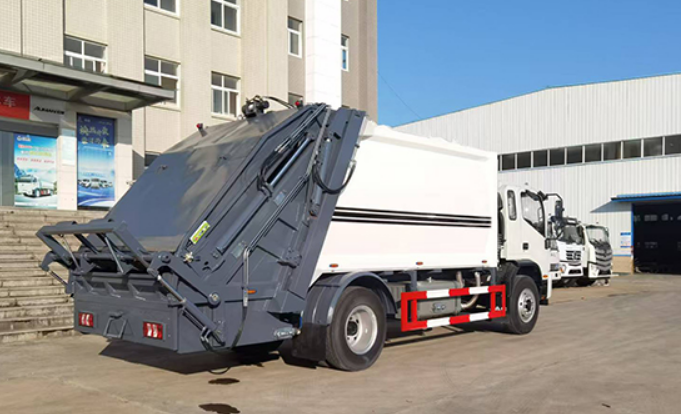
A garbage truck, also known as a trash truck, is a specialized vehicle designed for collecting municipal solid waste and transporting it to treatment facilities such as landfills or incinerators. These trucks are commonly seen in residential areas, where they make scheduled stops to collect household waste.
What Is a Waste Management Truck?
A waste management truck is a broader term encompassing various vehicles involved in the waste handling process, including garbage trucks. However, it often refers to trucks designed for different types of waste, such as recycling trucks, hazardous waste transporters, and organic waste collection vehicles, making them more versatile in waste disposal operations.
Key Differences Between Garbage Truck and a Waste Management Truck
Design and Capacity
Garbage trucks are typically equipped with compactors to efficiently collect and transport household waste. In contrast, waste management trucks come in various designs, including open beds for bulky waste and specialized containers for hazardous or recyclable materials.
Types of Waste Collected
Garbage trucks primarily handle municipal solid waste, mainly household trash. Waste management trucks, however, accommodate a broader range of waste types, including recyclables, organic waste, construction debris, and hazardous materials.
Operational Methods
Garbage trucks follow fixed routes with scheduled pickups, ensuring regular waste collection. Waste management trucks, on the other hand, operate on more flexible schedules, adapting to the specific waste types and services required.
Usage and Applications
Garbage trucks are mainly used for residential waste collection. Waste management trucks serve a wider range of applications, including commercial, industrial, and specialized waste disposal services.
Types of Garbage Trucks
Garbage trucks come in various types, each designed to meet specific operational needs and waste collection scenarios. Some of the most common types include rear-loading trucks, front-loading trucks, side-loading trucks, and roll-off trucks.
- Rear Loader: Typically used in residential waste collection, these trucks collect waste from curbside bins.
- Front Loader: Ideal for commercial and industrial waste management, these trucks are designed to handle larger dumpsters.
- Side Loader: Available in both automated and manual versions, side loaders are well-suited for areas with limited space.
- Roll-Off: Built for handling larger waste containers, roll-off trucks are commonly used in construction and large-scale waste disposal operations.
Environmental Impact
The environmental impact of garbage and waste management trucks is substantial. While these vehicles play a crucial role in waste disposal, they also contribute to emissions. The shift toward electric and alternative fuel trucks represents a positive step in reducing the carbon footprint of waste management operations.
In conclusion, although garbage trucks and waste management trucks both serve the overarching purpose of waste disposal, they have distinct roles within the broader waste management system. Understanding these differences is vital for developing effective waste management strategies and fostering environmental sustainability in urban settings.