


How Gasketed Plate Heat Exchangers Work
Introduction to Gasketed Plate Heat Exchangers
What Is a Gasketed Plate Heat Exchanger?
A gasketed plate heat exchanger is a highly efficient device designed to transfer heat between two fluids without mixing them. It uses thin metal plates stacked together, with gaskets sealing the edges to guide fluid flow. These exchangers are widely known for their superior thermal performance and flexibility.
In simple terms, if you’ve ever wondered how gasketed plate heat exchangers work, imagine two fluids flowing on opposite sides of a thin metal surface—heat moves across that surface while the fluids remain separate. Pretty neat, right?
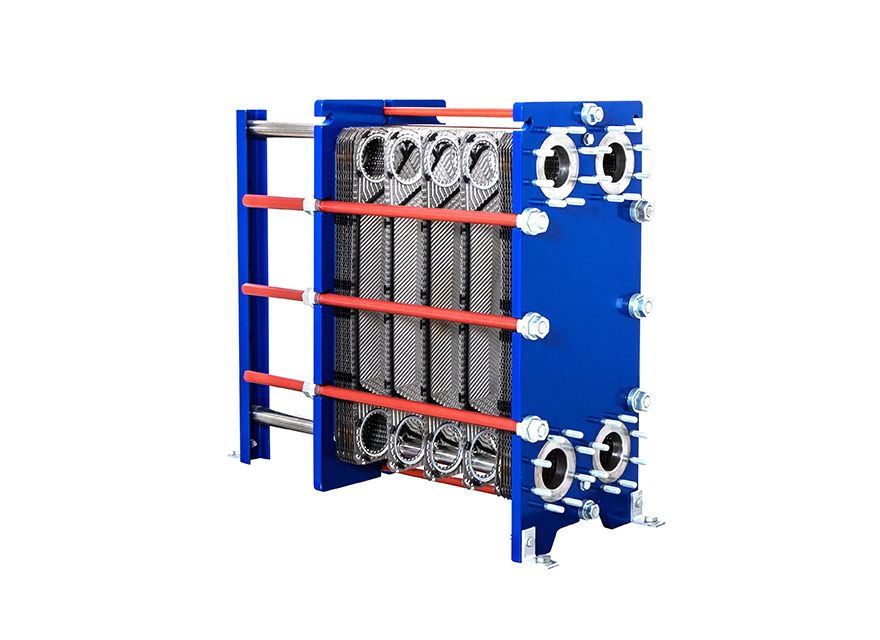
Why They Are Widely Used in Industry
Industries love these systems because they’re compact, efficient, and easy to maintain. Compared to bulky alternatives, gasketed plate heat exchangers save space and reduce energy consumption. Plus, they’re adaptable—plates can be added or removed depending on capacity needs.
Core Working Principle
Heat Transfer Mechanism Explained
The core principle behind how gasketed plate heat exchangers work lies in indirect heat transfer. Two fluids—one hot and one cold—flow through alternating channels formed by the plates.
Heat flows from the hot fluid to the cold fluid through the metal plates due to temperature difference. This process relies on:
High thermal conductivity of plate material
Thin plate design for minimal resistance
Turbulent flow to enhance heat transfer
Role of Plates and Gaskets
The plates are typically corrugated to increase surface area and turbulence. Meanwhile, gaskets serve two critical functions:
Prevent fluid leakage
Direct fluids into alternate channels
Flow Arrangement Types
There are several flow configurations:
Counterflow (most efficient)
Parallel flow
Crossflow
Counterflow is the most common because it maximizes temperature difference across the plates, improving efficiency.
Key Components and Their Functions
Plates and Corrugation Patterns
Plates are the heart of the system. They’re usually made from stainless steel or titanium and feature unique corrugation patterns that:
Increase turbulence
Enhance heat transfer
Provide structural strength
Gasket Materials and Sealing
Gaskets are typically made from rubber materials such as:
Nitrile (NBR)
EPDM
Viton
Each material is selected based on temperature, pressure, and chemical compatibility.
Frame and Pressure Plate
The frame holds everything together. It includes:
Fixed frame plate
Movable pressure plate
Carrying bar
Tightening bolts
These components ensure proper compression and sealing of the plates.
Types of Gasketed Plate Heat Exchangers
Single-Pass vs Multi-Pass Designs
Single-pass systems: Fluids pass through once
Multi-pass systems: Fluids circulate multiple times for higher efficiency
Industrial Applications
Different industries require different configurations. For instance:
Food processing needs hygienic designs
Chemical plants require corrosion-resistant materials
Advantages of Gasketed Plate Heat Exchangers
Efficiency and Compact Design
One of the biggest advantages is their efficiency. They offer:
Up to 90% heat recovery
Compact footprint
Reduced energy costs
Easy Maintenance and Flexibility
Unlike welded systems, these exchangers can be easily opened for:
Cleaning
Inspection
Plate replacement
This flexibility makes them ideal for industries requiring frequent maintenance.
Limitations and Challenges
Pressure and Temperature Constraints
While efficient, gasketed plate heat exchangers have limitations:
Not suitable for extremely high pressures
Temperature limits depend on gasket material
Gasket Wear and Replacement
Over time, gaskets may degrade due to:
Heat
Chemical exposure
Mechanical stress
Regular inspection is essential to maintain performance.
Design Considerations
Material Selection
Choosing the right material is crucial. Factors include:
Fluid type
Temperature range
Corrosiveness
Thermal Efficiency Optimization
To maximize performance:
Use counterflow configuration
Optimize plate spacing
Maintain clean surfaces
Installation and Maintenance Tips
Best Practices for Installation
Proper installation ensures long-term performance:
Align plates correctly
Tighten bolts evenly
Check gasket placement
Cleaning and Inspection
Routine maintenance includes:
Chemical cleaning (CIP)
Manual inspection
Gasket replacement
Applications Across Industries
HVAC Systems
Used for heating and cooling buildings efficiently.
Food and Beverage Processing
Ensures hygienic heat transfer in:
Pasteurization
Dairy processing
Chemical and Power Industries
Handles aggressive fluids and high thermal loads.
Comparison with Other Heat Exchangers
Shell and Tube vs Plate
| Feature | Plate | Shell & Tube |
|---|---|---|
| Efficiency | High | Moderate |
| Size | Compact | Large |
| Maintenance | Easy | Difficult |
Brazed vs Gasketed
Brazed: Compact but not serviceable
Gasketed: Larger but maintainable
Conclusion
Understanding how gasketed plate heat exchangers work gives you a clear picture of why they’re so widely used across industries. They combine efficiency, flexibility, and ease of maintenance into one powerful system. While they do have limitations, proper design, installation, and maintenance can help you get the most out of them.
Whether you're in HVAC, food processing, or heavy industry, gasketed plate heat exchangers remain one of the smartest choices for efficient heat transfer.